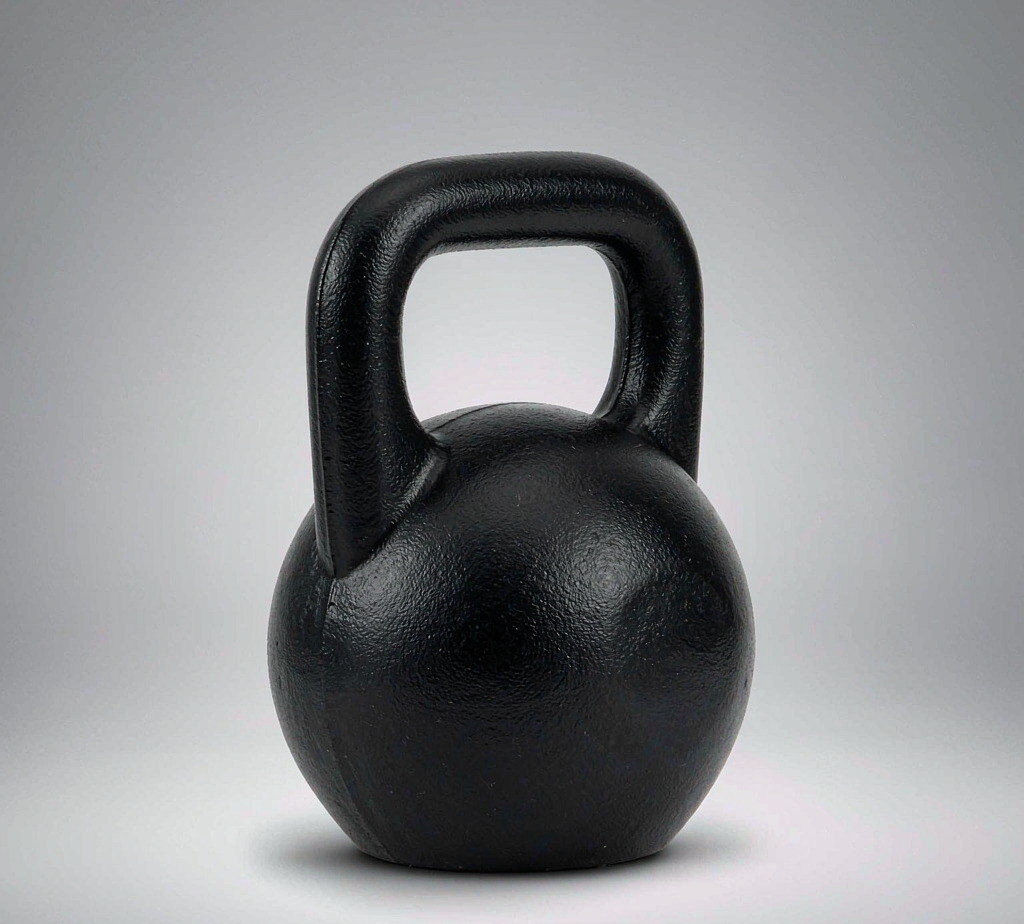
Kettlebells
Classic cast iron
One-piece sand casting, powder coat or e-coat, machined base so it sits flat. Handle diameter grows with the weight, as the hand needs it to.
4–48 kg9–105 lb±2% target
Kettlebells from 4 to 48 kg, dumbbells from 1 to 50 kg, plates from 1.25 to 25 kg. The handle is never welded on — it comes out of the same pour as the body, which removes the single most common failure in low-cost free weights.
One-piece sand casting, powder coat or e-coat, machined base so it sits flat. Handle diameter grows with the weight, as the hand needs it to.
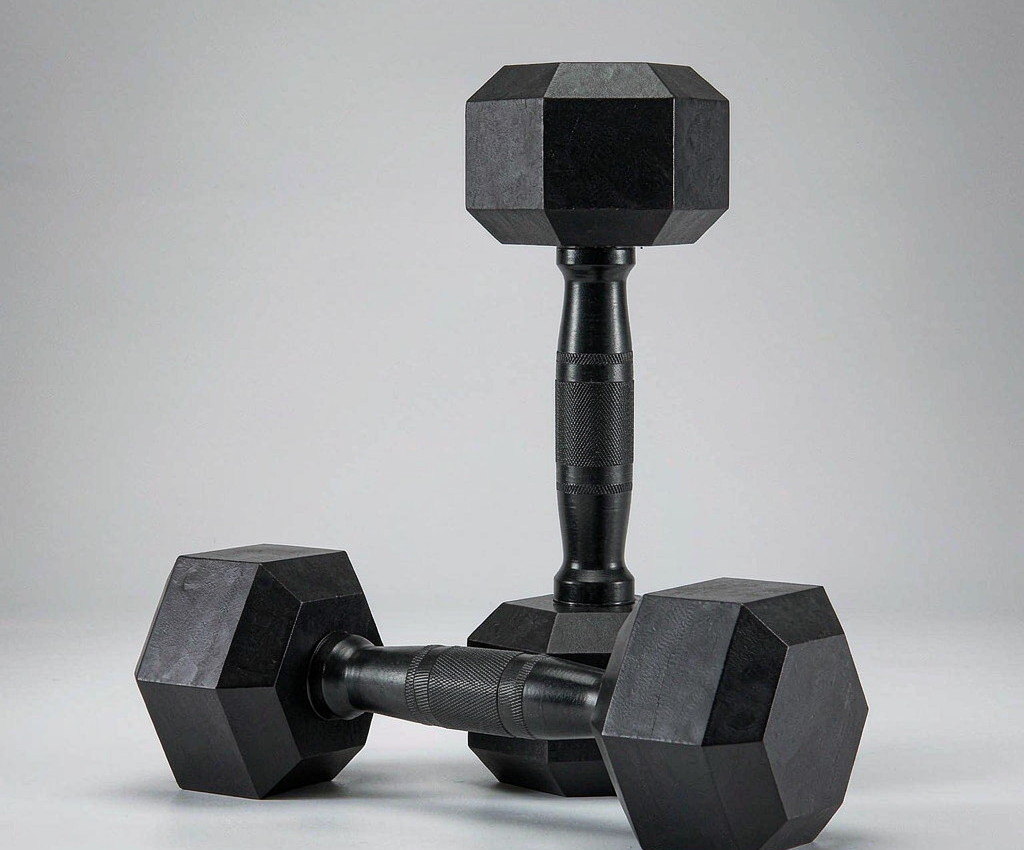
Cast-iron heads on knurled steel handles, locked before finishing so they cannot work loose. Hex faces stop the roll in the truck and on the floor.
We publish the number instead of the adjective. Target tolerance is written on the spec sheet, and the actual spread is confirmed on the sample before the order is released.
| Material | Grey iron HT200 / Class 30 |
| Construction | One-piece sand cast, no welded joint |
| Handle | 32–38 mm, increasing with weight |
| Surface | Powder coat or e-coat |
| Base | Machined flat, sits without rocking |
| Weight tolerance | ±2% target, confirmed on sample |
| Range | 4–48 kg / 9–105 lb |
| Branding | Logo cast into the mould, not printed after |
Weight steps: 2 kg below 22 kg, 4 kg above. Custom steps to a confirmed drawing.
Cast-in logo and weight marking · customer colour to a sealed sample · kg and lb dual marking · handle window and chamfer to your movement requirement · body shape for an original or licensed design.
100% weighed and sorted · base flatness · handle-to-body blend · coating adhesion and neutral salt spray · dimpled or chipped coating rejected before packing.
In competition lifting the handle height, the rack position and the swing path must not change when the weight does. So every weight shares one outside dimension — and the kilogram colour code becomes a specification, not decoration.
Colours are applied by powder coating. If your federation does not use the international code, we match your own rule book instead — codes above 32 kg are not harmonised between federations, so please confirm the buyer's standard before tooling.
Same mould, different cores. Extending the weight range does not require a new outside mould — but every weight step needs its own core box and process validation. We say this up front because it is the part most suppliers leave out of the tooling quote.
Cast-iron head, steel handle, then powder coat, e-coat or urethane. Dumbbells share the melt and the moulding line with kettlebells, which is why quoting them together usually lands better on both price and freight.
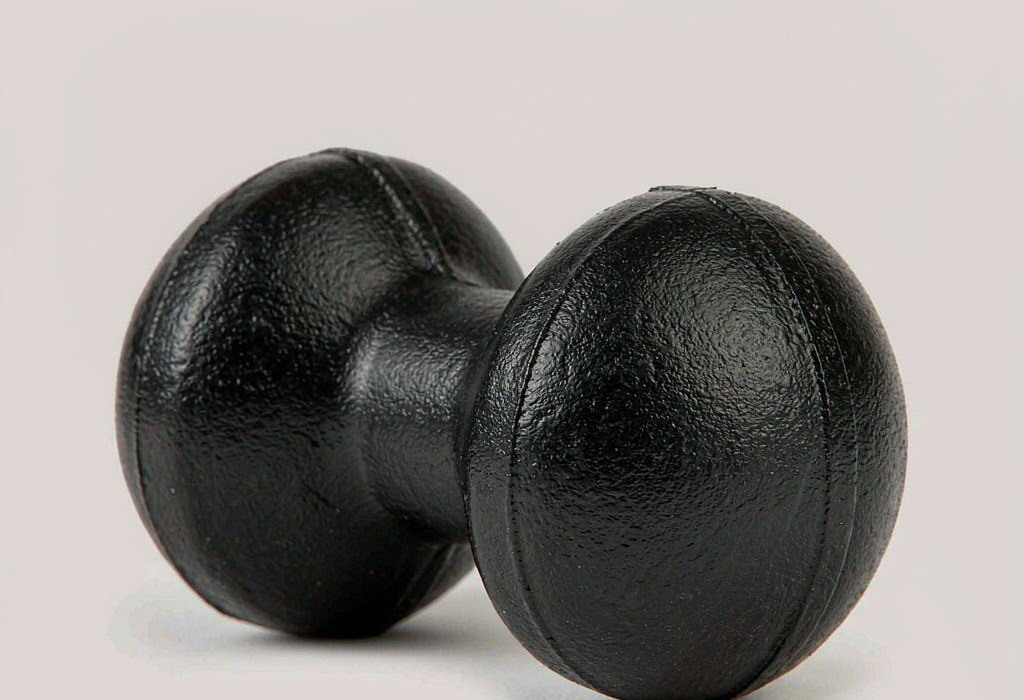
| Type | Range | Construction |
|---|---|---|
| Hex | 1–50 kg | Cast head + knurled steel handle, powder or e-coat |
| Round | 1–50 kg | Cast head + steel handle, powder or e-coat |
| Urethane | 2.5–50 kg | Cast core + rubber or PU coat (partner line) |
| Adjustable | To drawing | Machined locking and seating faces |
| Plates | 1.25–25 kg | Cast plate, bore and marking to your standard |
Default 2.5 kg step. 3 kg and 4 kg steps can be configured per programme; lb marking engraved on request.
Coating and packing are the two lines buyers most often find buried inside a per-kilo price. We quote them separately, so you can see what you are paying for and take any of it in-house if you prefer.
Standard finish for kettlebells and plates. Colour matched to a sealed sample; adhesion by cross-cut and neutral salt spray reported with the first batch.
Thinner and more even than powder, better on complex geometry and inside the handle window. Usually chosen for premium retail lines.
Cast core with a rubber or PU jacket, run on a fixed qualified partner line. Quieter on the floor and kinder to plates and platforms.
Bulk, colour box, brown box or pallet. Customer shipping marks printed in-house; corner protection and stack design for heavy units.
Free weights hit the weight limit long before the volume limit. We plan mixed loads of kettlebells, dumbbells and plates to raise net kilos per container.
Third-party inspection welcome. We can prepare samples, heat records and the inspection ledger in advance so the visit takes a morning, not a week.
Useful to include: weight range, profile, tolerance, colour or colour code, logo type and position, packing, first order and annual volume, destination port.